
If you or your partner are introverts and value lots of “me” time over social time, then can you even enjoy or tolerate being a parent — let alone good parents? What if you have some social anxiety, as well?
As part of my popular “Ask Merle” series, I offer advice on introverts as good parents, with some key things to consider:
…
By Merle Bombardieri, MSW, LICSW
…
Marissa asks: Can an introvert with social anxiety enjoy or even tolerate being a parent?
…
“I’m an introvert,” she writes. “I love alone time, quiet and privacy. How do I know if I can handle a crying baby, or even the constant babbling of a happy baby? And what about the pressure to babble back when I’d rather read a book?
“Also, what about the noise and confusion of our first months at home with the baby, when all of our family and friends come to visit?
“I also have some social anxiety. What about hosting my child’s birthday party, setting up play dates, talking to pediatricians or teachers? I would never know what to say. I have a hard time making small talk.
“My husband says he’s committed to sharing the mental load and helping me to carve out quiet time, but I have doubts. Most people assume that a mother is selfish and neglectful if she takes time to care for her own needs.”
…
Merle’s answer: Yes, introverts can be good parents!
…
In a minute we’ll talk about some coping techniques and self-protection. But first, I have a question:
How committed are you to parenthood? If both of you embrace raising a family as your optimal life plan, your motivation to find comfortable ways of parenting makes sense. But what if on the other hand, you lean childfree or are 50/50 and trying to say yes to please your partner? This is a red flag.
It is risky enough and painful enough to agree to parenthood if it wasn’t your first choice, especially for mothers. Motherhood is hard enough for extroverts who fully embrace motherhood. An introvert who didn’t want to have a child, has an impossible task of meeting her child’s needs while feeling overworked and overwhelmed with noise, interactions, and meeting other people’s expectations in our sexist society.
If this resonates with you, you may need to re-negotiate the decision and make the case for being childfree. Read “The Tug of War” chapter on couple disagreement in The Baby Decision, consider working with a decision coach or couple’s therapist to resolve your conflict.
If you both want to parent, here are some considerations that work for some introverts and their families:
Get your partner’s commitment to plan alone time such as a yoga class, a day to luxuriate at home while your partner and baby are out of the house, plan a daily alone time that your partner, a babysitter, or someone else will care for the child.
You will also have to address the mental load, using Eve Rodsky’s Fair Play books and cards to divide parenting and childcare tasks. Couples find practicing this kind of sharing even before they’ve decided to have a baby, or during the pregnancy of adoption process builds optimism and confidence about role fairness.
Enlist understanding and commitment from family and friends, even before the child arrives. Tell them that you will be carving out the quiet time you need and that you and your partner consider this essential for you to give your child loving attention.
Look for times of quiet play with your baby or child, such as cuddling, reading a book, drawing. Also, when your child is happily playing independently, grab that 20 minutes to reflect, read a book, or just lovingly observe your child without having to do anything.
Know that after the first few years, your child will not need constant attention. They’ll often be at school, doing sports, hanging out with friends. So, for most of your years of parenting, you’ll have more options for solitude.
Working part or full time could give you time away from the baby in quieter atmospheres. Even if you work remotely, a nanny or babysitter might care for the baby while you worked in another, quieter room.
Stopping at one child works well for many introverts. You won’t have sibling rivalry and the noise of sibling arguments. You’ll be able to focus on relaxed interactions with the child you already have.
Enjoy the positives of being an introvert, typically compassion and understanding other people. If your child is an introvert, you can guide their well-being.
Good luck with your decision.
…
TBD readers, have you had similar questions and worries?
…
Does something I’ve said above ring true for you about concerns about introverts being good parents, especially if social anxiety is a factor? Have you thought of some other things that helped you navigate concerns around having a baby? Either way, you’re welcome to reach out and let me know via any of the contact links below. I’d love to hear from you!
What other questions can I help you address? How can I help you make the right choice for you? Reach out to me via my online contact form, or in our private Facebook group The Decision Café, or on any of my social media pages: Facebook, Instagram, or Twitter/X.
…
Want to learn more?
…
I will be writing more about mental health and other timely baby decision considerations in my new book, expected in 2026. You can preview some of these topics and techniques if you subscribe to my free, quarterly email newsletter. In each issue, I’ll share a sneak peek excerpt that only newsletter readers can see! So if you haven’t yet, be sure to subscribe now here.
After you’ve done that, I invite you to catch up on my previous baby decision blog posts here.
– Merle
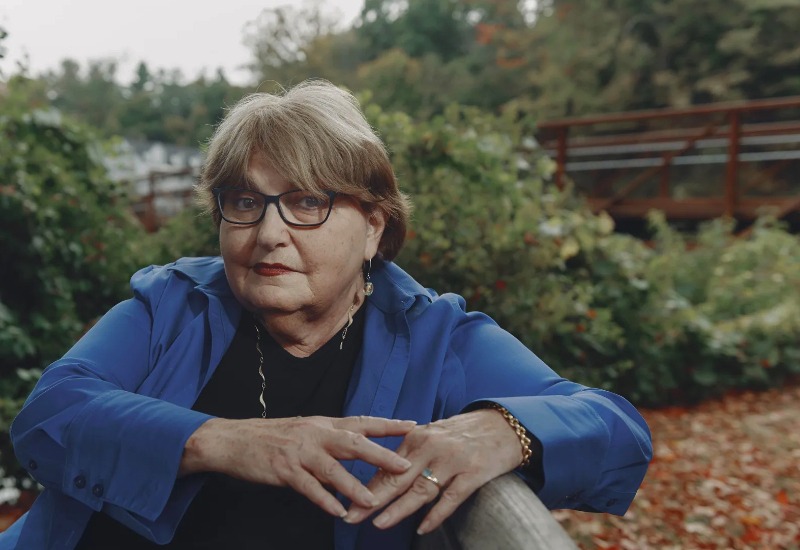
Photo of Merle on this page by Tony Luong for Time magazine