
If you’ve responsibly done your research and all of the exploration exercises in The Baby Decision, then is it still cheating to just let nature decide for you by “not trying, not preventing” (NTNP)?
As part of my popular “Ask Merle” series, I offer some pros, cons, and caveats to consider with NTNP:
…
By Merle Bombardieri, MSW, LICSW
…
Anonymous asks: Is “not trying, not preventing” aka NTNP okay for some people? 🤔
…
“In The Baby Decision,” this reader writes, “you call “The non-accidental accident, aka NTNP, a “safety decision,” because you don’t actually declare a decision when you ‘let nature take its course.’
“I understand that if people are 50/50 and take this path to not have to struggle with the decision at all, that is not best way to embark on a pregnancy, or a decision to be childfree if pregnancy doesn’t happen.
“But I want to make the case that our decision is actually a growth decision. We did our homework and didn’t throw up our arms and say, “we want fate to decide for us.” We did exercises, faced our fears, enjoyed your Decision Confidence Workshop, and listened to podcasts. We actively, responsibly decided that either decision is okay. So in our case, is it really cheating to let nature decide? Or is NTNP okay for people like us?”
…
Merle’s answer: Yes, but with these caveats…
…
You make a good point. Maybe we call this a safety decision on the cusp of a growth decision.
Oxford philosopher Ruth Chang suggests that people take small steps toward a decision and see if it resonates with them. But this could mean you’re choosing parenthood without the courage to say that.
Jennifer and Shawn (not their real names) are a good example of how NTNP can work. They had been actively working on their decision for over six months, speaking with a therapist, talking with trusted friends, doing research and planning for what a life with a child could look like. When asked, they were leaning about 80% towards having a child. For them, NTNP was a way to slither into the water of potential parenthood without experiencing the shock of ice cold water by plunging off the diving board. 💦
…
NTNP pointers, pros & cons:
…
If you choose NTNP, here are some pros, cons, caveats and pointers:
1. What are your intentions? Talk about them! One or both of you may be hoping for pregnancy. One or both may be hoping for infertility so you can be childfree but tell others you tried, without declaring that was your own choice. It’s good to talk about this, realizing that both of you may be ambivalent and hope for each outcome. You need each other’s understanding, awareness, and support to do this.
2. Make sure you both will say yes to parenthood if it happens. If that’s not the case, then don’t do it till you’re both on board with it.
3. Be mentally prepared for a possible pregnancy in your first month, even if you are expecting it to take longer. If you were pregnant 30 days from now, would you be ready for it, despite your shock?
4. Watch out for the potential of an early or undiagnosed miscarriage. Many women over 30 have a luteal phase defect, which means their body doesn’t have enough progesterone to make a dependable uterine lining. Conception can occur but the embryo can be lost because it can’t implant in your uterine wall. In these situations, women may have a late, very heavy period and never realize they were pregnant. Get a pregnancy test immediately if your period is late, and reach out to a medical professional to consider the possibility of progesterone treatment.
Ironically, the best way to prevent this possibility would be to get some hormonal testing and be aware of and treat any hormonal deficiency. But going to your doctor may feel too intentional if you’re wanting fate to decide.
5. Be aware that fertility fears could come up. Another consequence is getting upset when pregnancy doesn’t happen. You or your partner might be tempted to investigate or treat fertility before you’ve actually decided to be a parent. One motivation some people have for NTPT is discovering infertility and not having to take responsibility for winding up childfree. Nevertheless, the experience of not getting pregnant may be tough.
6. During NTNP, check in with your partner occasionally, to see if you’re both comfortable continuing on this path. Even the most reliable or predictable partners can develop doubts or concerns, so keep talking about it!
…
TBD readers, have you had similar questions and worries?
…
Does something I’ve said above resonate with your thoughts or concerns about not trying, not preventing? Have you thought of some other things that helped you navigate concerns around having a baby? Either way, you’re welcome to reach out and let me know via any of the contact links below. I’d love to hear from you!
What other questions can I help you address? How can I help you make the right choice for you? Reach out to me via my online contact form, or in our private Facebook group The Decision Café, or on any of my social media pages: Facebook, Instagram, or Twitter/X.
…
Want to learn more?
…
I will be writing more about NTNP and other timely baby decision considerations in my new book, expected in 2026. You can preview some of these topics and techniques if you subscribe to my free, quarterly email newsletter. In each issue, I’ll share a sneak peek excerpt that only newsletter readers can see! So if you haven’t yet, be sure to subscribe now here.
After you’ve done that, I invite you to catch up on my previous baby decision blog posts here.
– Merle
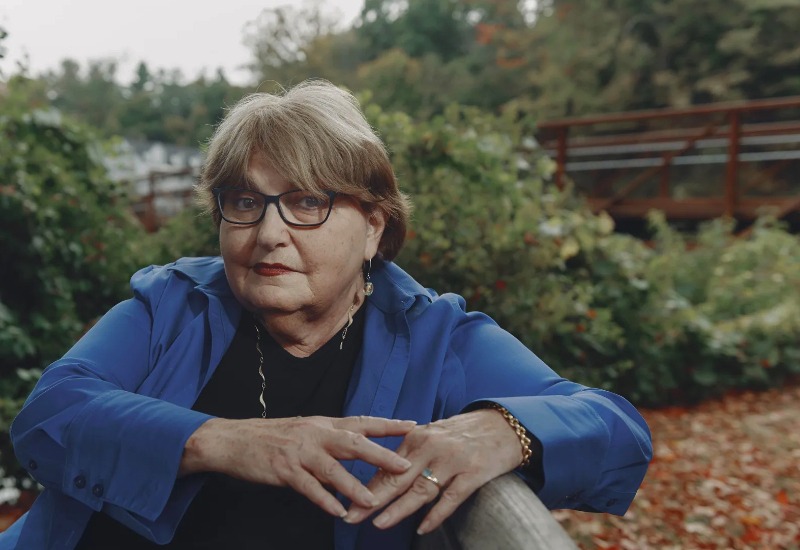
Photo of Merle on this page by Tony Luong for Time magazine